Export Papers
Export papers
A horse is cleared by a chain of signatures, each with its own signatory, its own system and its own deadline.

The paperwork is where air shipments actually fail. Not at the aircraft, where a missing document simply means the booking was never viable, but weeks earlier, when a sample is drawn outside its window or an inspection is booked a day too late. This section sets out who signs what, in which system, and by when.
Two signatures, not one
The rule that surprises owners most is that their own veterinarian is usually not the issuing authority. The United States requires the official health certificate to be issued by a full time salaried government veterinarian of the exporting country's national competent authority, or by an authorised veterinarian acting on their behalf, and then separately endorsed by a full time salaried government veterinarian of that authority. Two roles, two people, one piece of paper. The private veterinarian who knows the horse prepares it for the inspection; the state signs it out.
Why do deadlines slip by a week rather than a day?
Because deadlines here are counted in working days while flights are counted in hours, and that mismatch is the most common cause of a shipment slipping. A Monday departure with a public holiday in the preceding week has to be booked far earlier than the calendar suggests, and nothing about the booking can be brought forward once the sampling window has been fixed by the destination. A missed inspection slot is not an hour lost; it is the next available slot, and the certificate, the pallet position and the quarantine place all move with it.
The systems the paper lives in
Inside the European Union the model certificates sit in Commission Implementing Regulation (EU) 2021/403 under the Animal Health Law, and they are issued through TRACES, which pre notifies the border control post of the consignment's arrival. Nationally there is usually a booking layer on top: in Denmark, export is pre registered through the export portal of the Danish Veterinary and Food Administration, and the official inspection must be booked no later than 09:00 two working days before export. The horse is cleared by the paper; the paper is cleared by the system it was issued in.
Which tests stand behind the certificate?
Two sets, and they are easy to confuse. The exporting authority's certificate attests to samples drawn before departure, inside a window the destination sets and counts from the date of sampling. Separately, some destinations test again on arrival: the United States screens imported horses through its own national laboratory for dourine, equine infectious anaemia, equine piroplasmosis and glanders, each by a named method, and a result that is not negative starts a retest calendar that can run for weeks and hold the other horses in the same shipment.
Country status before the horse
The door into a destination is opened at the level of the exporting country before any individual result is read. Entry into the European Union rests on the exporting country being free from African horse sickness and from glanders; the United States sets its quarantine length by the health status of the countries the horse lived in during the previous sixty days and of the countries it transited. A horse with perfect results from a country without the right status is not an importable horse, and a fortnight spent somewhere else can change what the animal is in the eyes of the authority.
What the two chapters in this section cover
The first follows the certificate itself: who may issue it, who must endorse it, how the European and Danish routes are built, and the order of operations that actually holds. The second is about the laboratory: which four diseases the United States screens imported horses for, the exact method used for each, what happens when a result is not negative, and the rule that lets another horse's result hold up your own. Both chapters quote the agencies verbatim where the wording decides the outcome.
Read next in this ledger
02Chapters in this section
The certificate, and the laboratory work behind it.
-
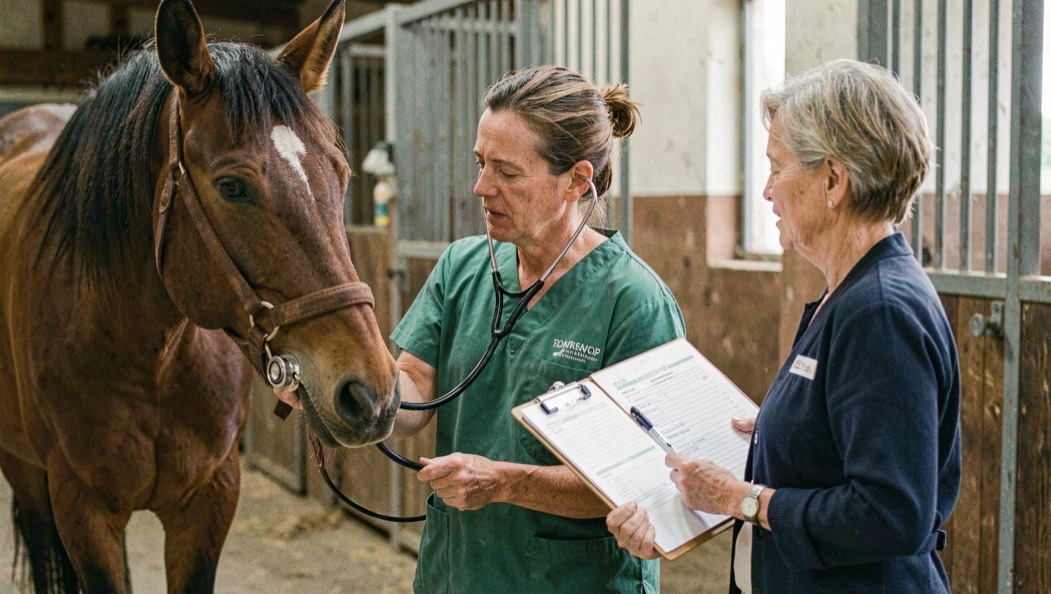
The export health certificate
One sheet of paper with a chain of signatures behind it, each with its own deadline and its own signatory.
Export Papers
-
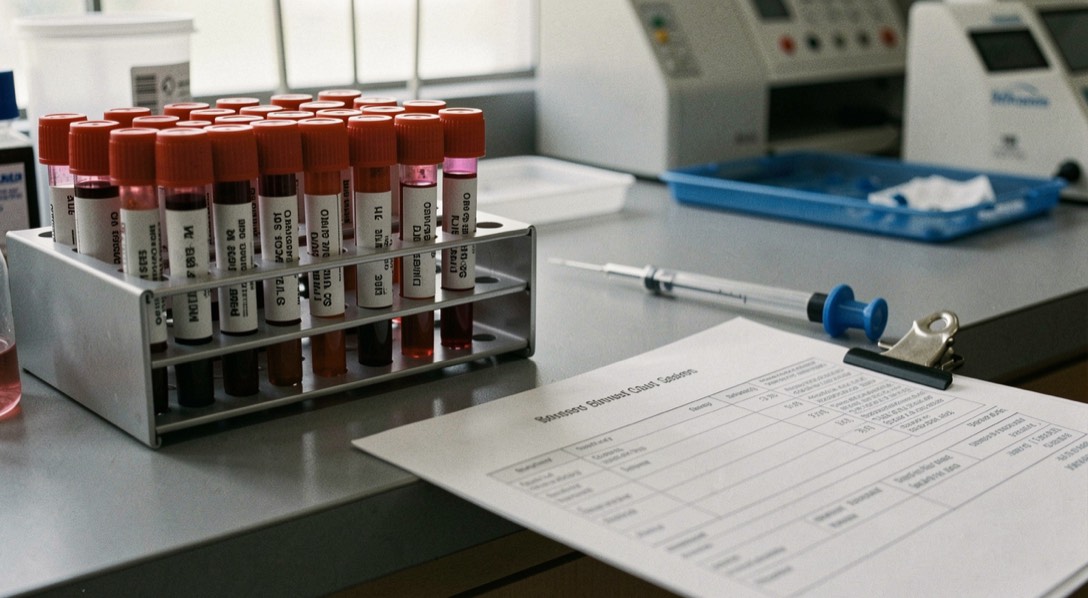
Blood tests and their windows
Four diseases, four named laboratory methods, and a retest calendar that can hold a horse for weeks after it lands.
Export Papers